OpenAI Retires ChatGPT Classic, Merges Chat and Work Tabs
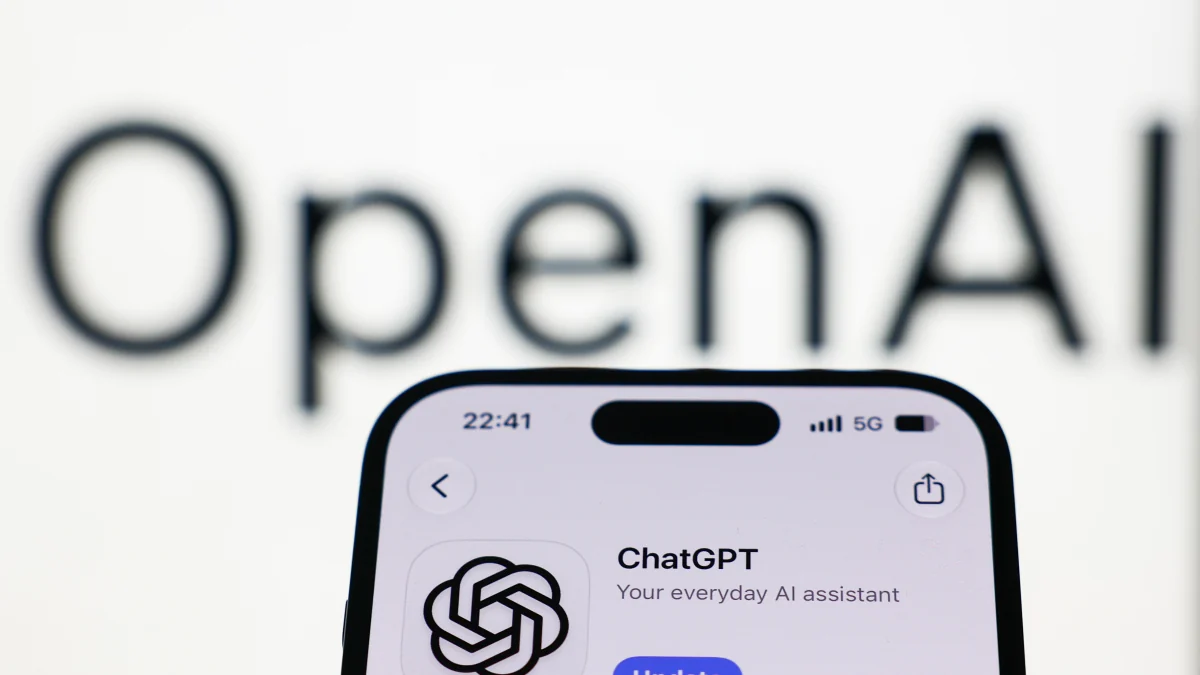
OpenAI is retiring the legacy ChatGPT Classic app and merging its Chat and Work interfaces into a single desktop experience. The move consolidates everyday conversations and complex tasks, while Codex remains separate. Starting in December, usage limits for Plus, Pro, and Business plans will be shared across ChatGPT and Codex, measured in tokens.
Key points
- OpenAI is retiring the standalone ChatGPT Classic app, which was previously renamed when the company released a new unified desktop application.
- The company plans to merge the Chat and Work tabs in the new interface, allowing users to handle everyday questions and complex tasks in one place.
- The separate Codex interface for coding will remain distinct from the merged Chat and Work experience.
- Starting in December, usage allowances for Plus, Pro, and Business subscribers will be shared across both ChatGPT and Codex, measured in tokens.
- The interface changes follow user complaints about the initial Electron-based app being confusing and less reliable than previous versions.
Consolidation of ChatGPT Interfaces
OpenAI is initiating a significant restructuring of its ChatGPT desktop application, announcing the retirement of the legacy ChatGPT Classic app. This move follows the company's earlier decision to replace the native macOS application with an Electron-based version, a shift that initially drew criticism for being confusing and less reliable. The original ChatGPT app was rebranded as ChatGPT Classic after OpenAI introduced a new interface designed to unify ChatGPT, Work, and Codex under a single window. Despite subsequent updates aimed at improving usability, such as the addition of a prominent toggle between Chat and Work, the Classic app has become increasingly disconnected from the latest model integrations and features.
Merging Chat and Work
In a development outlined in an email to users, OpenAI plans to merge the Chat and Work tabs into a single cohesive experience. Currently, the platform distinguishes between Chat, which is intended for everyday questions and conversational assistance, and Work, which handles longer, more complex tasks such as research, information analysis, and the creation of documents, presentations, and websites. The company states that this merger will enable users to move seamlessly from exploring an idea to having ChatGPT execute it within the same environment. Users will retain the ability to import files and plugins to guide and review the AI's work throughout this unified process.
Codex Remains Separate
While the Chat and Work functionalities are being combined, the Codex interface dedicated to coding tasks will remain a separate entity within the desktop application. This distinction ensures that specialized coding workflows are not conflated with general-purpose or professional document creation tasks. The decision to keep Codex separate highlights OpenAI's recognition of the distinct user needs and interaction patterns associated with software development compared to broader conversational or administrative tasks.
Changes to Usage Allowances
Alongside the interface changes, OpenAI is modifying its usage policies for paid subscribers. Starting in December, the usage allowances for Plus, Pro, and Business plans will be shared across both ChatGPT and Codex. Usage will be measured in tokens, the standard units of information processed by the models. This change means that activity in one section of the platform will impact the available quota in the other, a shift that may affect heavy users who frequently switch between general chat and coding tasks. The company has updated its support pages to reflect these new terms, providing clarity on how token consumption will be tracked and limited.
User Feedback and Future Rollout
The evolution of the ChatGPT desktop app has been marked by user feedback and iterative improvements. The initial release of the Electron-based app was met with controversy due to its complexity and the difficulty in accessing regular conversations. OpenAI responded by introducing UI adjustments, including sidebar menus and toggles, to enhance navigation. The current merger of Chat and Work, along with the retirement of the Classic app, represents the latest step in streamlining the user experience. A limited test of the merged interface is planned before a wider rollout, allowing the company to gather data and address any potential issues before full implementation.
Key takeaways
- OpenAI is retiring the ChatGPT Classic app in favor of a unified desktop experience.
- The Chat and Work tabs will be merged, while the Codex coding interface remains separate.
- Paid subscribers will see shared usage allowances across ChatGPT and Codex starting in December.
- Usage limits will be measured in tokens, affecting how users consume AI resources across features.
- The changes follow user complaints about the initial Electron-based app's complexity and reliability.
Sources
The WireByte editorial team synthesises technology news from multiple primary sources, verifies the facts, and links every source. Articles are produced with AI assistance and reviewed under our editorial policy.