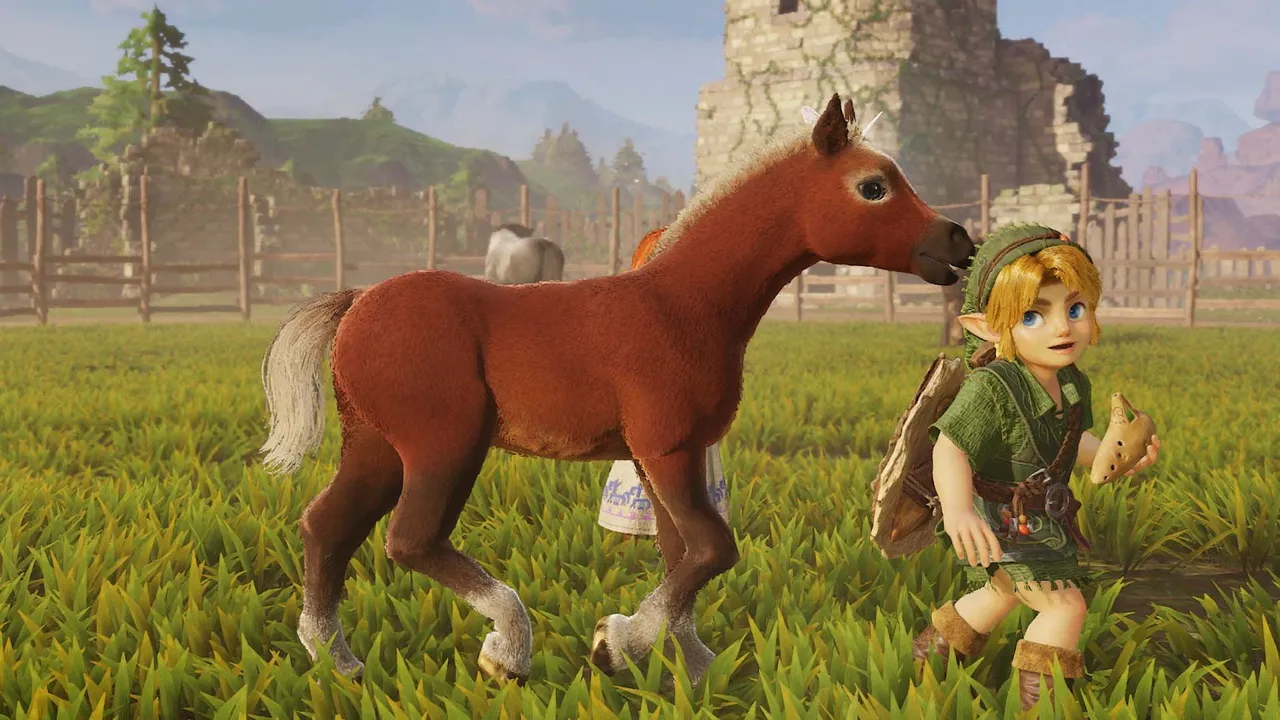
OpenAI Unveils Images 2.6 With Native GIF Generation for ChatGPT
OpenAI has launched its Images 2.6 model, enabling ChatGPT and Codex users to generate and edit animated GIFs from text or images. This update adds frame-level editing and speed controls, marking a significant step in AI visual creation. The release follows the discontinuation of the Sora video tool, shifting focus toward animated storyboards and character movement exploration for global users.
Key points
- OpenAI, the artificial intelligence company behind ChatGPT, has released its Images 2.6 model to enable advanced image and animation capabilities.
- Users can now generate animated GIFs from text prompts or uploaded photos, with the ability to adjust playback speed and edit individual frames.
- The Images 2.6 update is rolling out globally to ChatGPT and the coding tool Codex across web, desktop, and mobile platforms.
- OpenAI positions the feature for creating animated storyboards and exploring character movement, distinct from full AI video generation.
- The move follows the shutdown of OpenAI's Sora video app earlier this year, which reportedly lost approximately $1 million daily due to low usage.
OpenAI Introduces Advanced Image Model
OpenAI has officially released Images 2.6, its latest artificial intelligence image generation model, bringing enhanced creative tools to its ChatGPT and Codex platforms. The update introduces native support for generating animated GIFs, a feature that distinguishes itself from previous iterations by offering true animation capabilities rather than simulated movement. This development marks a significant expansion of the company's visual generation suite, allowing users to create more dynamic content directly within the interface.
GIF Generation and Editing Capabilities
The core innovation of Images 2.6 is the ability to transform static inputs into animated sequences. Users can generate GIFs by providing text prompts or by uploading existing images, including rough sketches that the AI refines before animating. Once a GIF is generated, the platform provides granular control over the output. Users can adjust the playback speed, ranging from 0.5x to 2x, and access individual frames for editing. This level of control allows for more precise creative expression, enabling users to fine-tune animations to their specific needs.
Global Rollout Across Platforms
The Images 2.6 model is being deployed globally to both ChatGPT and Codex, OpenAI’s coding assistant. The update is accessible across web browsers, desktop applications, and mobile devices, ensuring broad availability for users worldwide. This widespread rollout indicates OpenAI’s confidence in the stability and utility of the new model. The integration into Codex suggests that developers may also leverage these image generation tools for visual programming aids or documentation purposes, although the primary focus remains on creative content creation.
Strategic Shift from Video to Animation
OpenAI’s introduction of GIF generation comes at a time when the company is recalibrating its approach to AI video. Earlier this year, OpenAI discontinued its AI video generation application, Sora. Reports from The Wall Street Journal indicated that Sora struggled with adoption, losing approximately $1 million per day due to low user engagement. By focusing on GIFs and animated storyboards, OpenAI is targeting a more niche but potentially more viable market segment. The company suggests that Images 2.6 is ideal for exploring character movement and creating animated storyboards, rather than producing full-length video content.
Implications for Content Creation
The ability to generate and edit GIFs directly within ChatGPT could have significant implications for digital communication and content creation. GIFs have long been a staple of online interaction, serving as a universal language for expressing emotions and reactions. By allowing users to create personalized animations from text or images, OpenAI is reducing the barrier to entry for custom content. This feature could streamline workflows for social media managers, marketers, and casual users who previously relied on external repositories like Giphy or Tenor.
Technical Distinctions and Future Outlook
It is important to note that the GIF generation capability in Images 2.6 is distinct from AI video generation. The model is designed to create short, looped animations rather than continuous video sequences. This distinction aligns with OpenAI’s current strategic focus on practical, high-utility tools over experimental video synthesis. The inclusion of frame-level editing further emphasizes the model’s role as a creative assistant rather than a fully autonomous video producer. As OpenAI continues to refine its image generation models, the industry will be watching to see how these tools evolve in response to user feedback and market demand.
Key takeaways
- OpenAI has launched Images 2.6, enabling ChatGPT and Codex users to generate animated GIFs from text or images.
- The new model allows users to adjust playback speed and edit individual frames for precise control over animations.
- The update is rolling out globally across web, desktop, and mobile platforms for both ChatGPT and Codex.
- OpenAI positions the feature for animated storyboards and character movement, following the shutdown of the Sora video app.
- The Sora video generator was discontinued earlier this year after reportedly losing $1 million daily due to low usage.
Sources
The WireByte editorial team synthesises technology news from multiple primary sources, verifies the facts, and links every source. Articles are produced with AI assistance and reviewed under our editorial policy.