Amazon Replaces Grubhub with Uber Eats for Prime Delivery
Amazon has ended its partnership with Grubhub and designated Uber Eats as the official restaurant delivery provider for US Prime members. The new integration allows users to order food directly through Amazon’s platforms without creating an Uber account, waiving delivery fees on orders over $25. This move deepens the existing tech alliance between the two companies while reshaping the competitive food delivery landscape.
Key points
- Amazon has officially replaced Grubhub with Uber Eats as the primary restaurant delivery partner for Prime members in the United States.
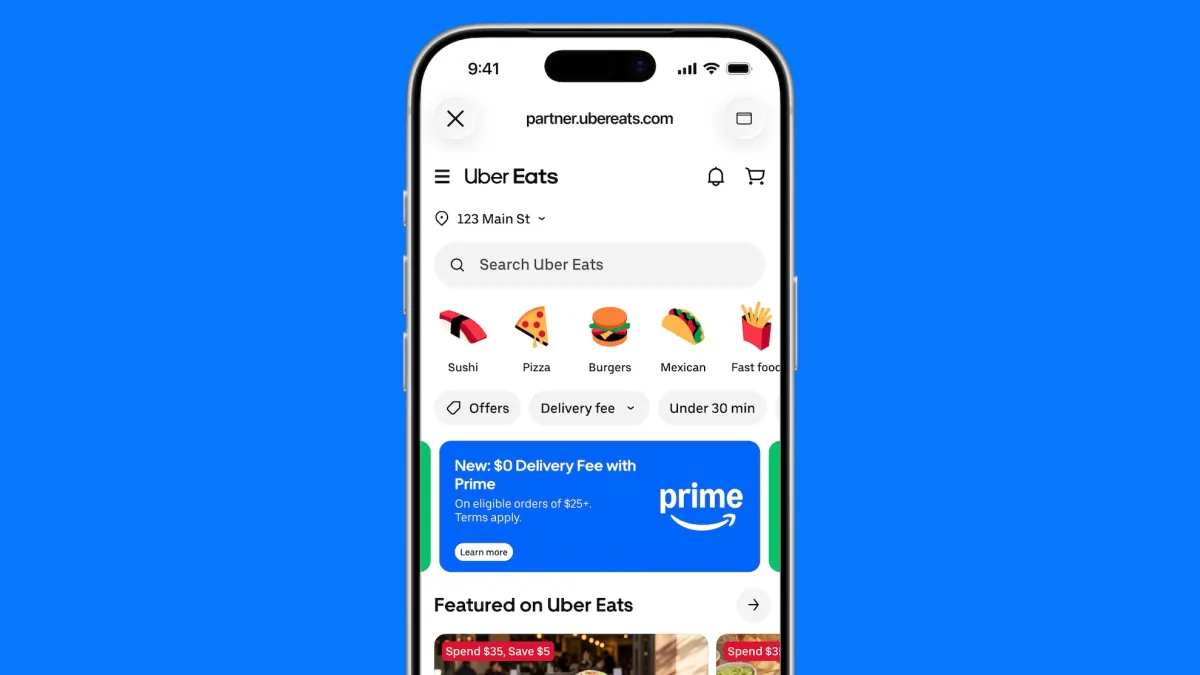
- Users can order directly through Amazon’s website and shopping app without needing a separate Uber account, with delivery fees waived on orders of $25 or more.
- The integration covers nearly 10,000 US cities and towns, offering Prime-exclusive offers and potentially saving members up to $175 annually.
- Grubhub+ benefits remain active for existing subscribers through December 31, 2027, even as the new Amazon partnership launches.
- The deal strengthens the broader strategic alliance between Amazon and Uber, which includes cloud computing and autonomous vehicle collaborations.
Strategic Shift in Food Delivery
Amazon has officially terminated its long-standing commercial agreement with Grubhub, ending the e-commerce giant's previous arrangement that provided Prime members with access to Grubhub+ benefits. In a significant pivot for its logistics and consumer services, Amazon has announced that Uber Eats is now the exclusive restaurant delivery partner for Prime subscribers in the United States. This transition marks a definitive end to an era where Grubhub served as the primary gateway for food delivery within the Amazon ecosystem, signaling a strategic realignment of Amazon’s third-party service offerings.
Seamless Integration for Users
The new partnership introduces a streamlined user experience designed to reduce friction for consumers. Prime members can now order food from Uber Eats directly through Amazon.com and the Amazon Shopping app. A key feature of this integration is the elimination of the need for users to create a separate Uber account. The ordering process utilizes existing Amazon payment methods, with Amazon handling the initial ordering process and delivery alerts, while Uber Eats manages the final receipt and fulfillment. This approach allows Amazon to position itself as a one-stop shop for meals, groceries, and household items, leveraging its existing user base without requiring additional app downloads or account setups.
Cost Benefits and Coverage
Under the terms of the new agreement, Amazon Prime members will not pay delivery fees on Uber Eats orders totaling $25 or more. Amazon states that this integration could save eligible users up to $175 annually, depending on their usage patterns. The service is broadly available, with support extending to nearly 10,000 cities and towns across the United States. Additionally, the companies have promised "Prime-exclusive offers" available only through the Amazon platform, aiming to provide added value to justify the annual Prime membership fee. To encourage adoption, Amazon and Uber are initially offering Prime members $20 off their first orders through the new integration.
Continuity for Grubhub Subscribers
While the new partnership with Uber Eats is now active, Amazon has ensured continuity for existing Grubhub+ subscribers. Users who previously activated Grubhub+ through their Prime membership will retain those benefits through December 31, 2027. This grace period allows users to utilize their existing subscriptions without interruption, even as the primary integration point shifts to Uber Eats. A spokesperson for Amazon confirmed that the company continuously evaluates its third-party offers to ensure the best experience for customers, while a Grubhub representative also acknowledged the conclusion of the agreement.
Deepening the Amazon-Uber Alliance
This development is not an isolated incident but rather a deepening of an extensive existing relationship between Amazon and Uber. The two tech giants already have collaborative agreements spanning cloud computing services, the integration of Uber Eats into Amazon’s AI-powered Alexa+ assistant, and joint ventures in autonomous vehicles through Zoox robotaxis. By bringing Uber Eats directly into the Amazon app, the companies are further entangling their ecosystems. For Uber, this partnership provides access to tens of millions of Prime shoppers, potentially reducing the need for costly app store advertising to acquire new users. For Amazon, it offers a robust delivery network without the capital expenditure required to build and maintain its own perishable food logistics infrastructure, a lesson learned after the closure of its internal Amazon Restaurants service years ago.
Competitive Landscape Implications
The move comes at a time when the food delivery sector is undergoing significant consolidation. Uber’s primary competitor, DoorDash, is in the process of merging with Instacart, reshaping the competitive dynamics of the market. By securing a preferred position within the Amazon ecosystem, Uber Eats gains a substantial advantage in reaching a high-spending demographic. This partnership underscores Amazon’s strategy of leveraging partnerships over vertical integration for certain services, allowing it to offer competitive perks while maintaining operational flexibility in a rapidly evolving market.
Key takeaways
- Amazon has replaced Grubhub with Uber Eats as the official restaurant delivery partner for US Prime members.
- Users can order via Amazon’s platforms without an Uber account, with no delivery fees on orders over $25.
- The service is available in nearly 10,000 US locations and may save members up to $175 annually.
- Existing Grubhub+ subscribers retain their benefits until December 31, 2027.
- The deal strengthens the broader strategic alliance between Amazon and Uber across multiple tech sectors.
Sources
The WireByte editorial team synthesises technology news from multiple primary sources, verifies the facts, and links every source. Articles are produced with AI assistance and reviewed under our editorial policy.