Nintendo Reports Switch 2 Sales Drop Amid Price Hike and Profit Shift
Nintendo reported a 37.4% drop in Switch 2 sales for the first half of fiscal 2026, selling 6.49 million units. Operating profit fell 16% to 73.9 billion yen despite an 11% rise in net profit driven by software and movie revenue. The company ruled out further price increases, maintaining its 16.5 million unit annual forecast despite memory cost pressures.
Key points
- Nintendo, the Japanese video game publisher, reported selling 6.49 million Switch 2 consoles in the first half of fiscal 2026, a 37.4% decline from the previous year.
- Operating profit fell 16% to 73.9 billion yen (approx. $467 million) due to a 15% overall sales drop, while net profit rose 11% thanks to strong software sales and the Super Mario movie.
- The sales dip followed a $50 price increase to $500 in the US, implemented in May 2026 to offset higher memory costs and tariffs.
- President Shuntaro Furukawa stated the company has sufficient memory supply and does not plan further price hikes, maintaining its annual forecast of 16.5 million units.
- Investors remain concerned about the lack of high-profile titles and potential momentum loss, though the release of an Ocarina of Time remake aims to boost holiday sales.
Financial Performance and Sales Decline
Nintendo has released its financial results for the first half of the fiscal year ending March 2027, revealing a significant downturn in hardware sales for its latest console, the Switch 2. The company reported selling 6.49 million units between April and September 2026. This figure represents a 37.4% decrease compared to the 10.36 million units sold during the same period in the previous fiscal year. The decline was particularly sharp in the second quarter, where sales dropped to 2.67 million units, down from 3.82 million in the first quarter of the current fiscal year.
Despite the hardware slump, the company’s overall financial picture showed mixed results. Operating profit fell by 16% to 73.9 billion yen, approximately $467 million. This contraction was directly linked to the 15% decline in total sales volume. However, net profit actually increased by 11% year-over-year. This resilience in net earnings was driven by robust performance in software sales and the commercial success of the latest Super Mario movie, which provided a crucial buffer against the hardware slowdown.
Price Increases and Supply Chain Pressures
The sales decline coincided with a strategic pricing adjustment by Nintendo. In early May 2026, the company announced a $50 price increase for the Switch 2 in the United States, raising the retail price to $500. This decision was attributed to rising memory costs and the impact of US tariffs on imported components. The move was part of a broader industry trend, with competitors Microsoft and Sony also raising console prices due to similar supply chain pressures, often referred to in media reports as the 'RAMpocalypse.'
Nintendo’s earnings report acknowledged the challenging environment but emphasized continued consumer adoption. The company stated that many consumers continued to adopt the system, spurred by the release of new titles. However, the timing of the price hike, occurring just a month after the console’s launch on June 5, 2025, may have contributed to the softened demand in the latter half of the period.
Leadership Stance and Future Outlook
Nintendo President Shuntaro Furukawa has firmly ruled out further price increases for the Switch 2. In statements reported by Reuters, Furukawa insisted that the company possesses sufficient memory inventory to meet its forecasted sales targets. He confirmed that Nintendo is not considering additional price changes, aiming to stabilize consumer confidence ahead of the critical holiday sales season.
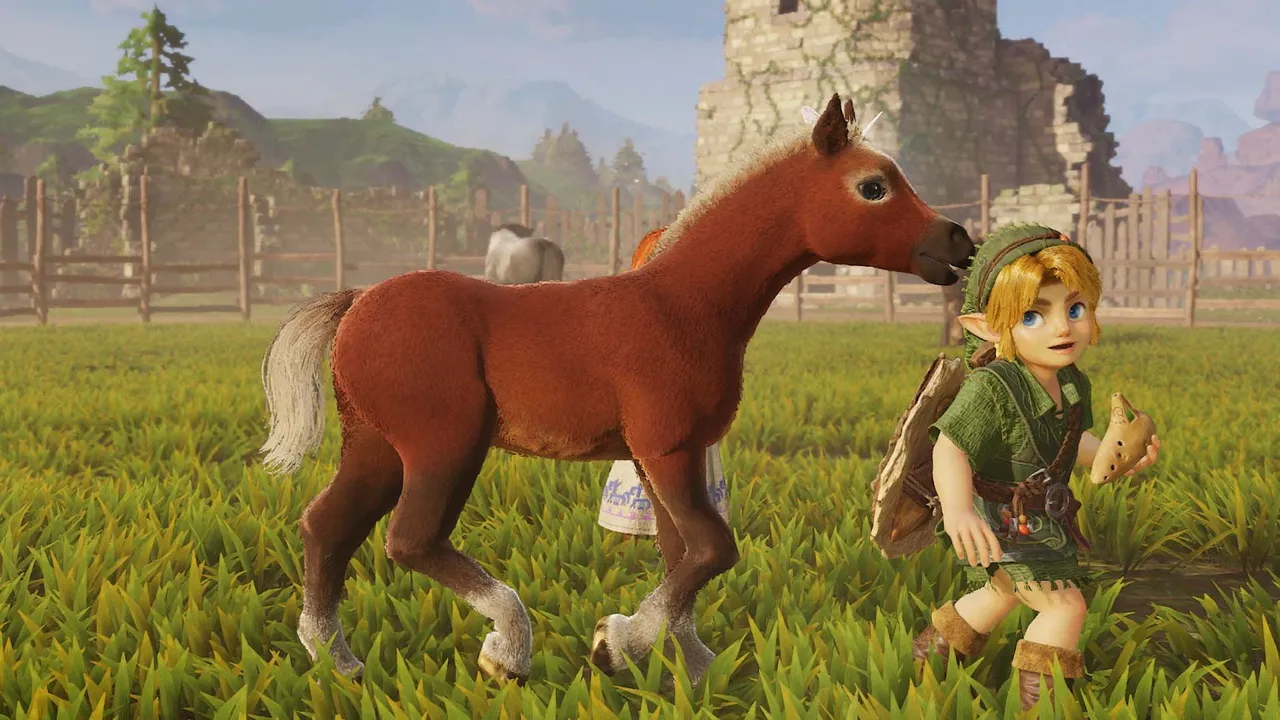
The company is maintaining its full-year sales forecast of 16.5 million units. This target suggests that Nintendo anticipated some normalization of demand after the initial launch hype and factored the price increase into its projections. The release of a remake of The Legend of Zelda: Ocarina of Time is intended to bolster sales momentum during the upcoming holiday period.
Market Concerns and Investor Sentiment
Despite the company’s confident stance, investors and analysts remain cautious. Reports from Reuters highlight ongoing concerns regarding the console’s momentum. Critics point to a lack of high-profile, exclusive titles released this year as a potential drag on long-term growth. The memory supply situation, while reportedly under control, continues to be a point of scrutiny for market observers.
The financial results underscore the shifting dynamics of the gaming industry, where hardware margins are increasingly pressured by component costs. Nintendo’s ability to sustain profitability through software and media properties, rather than hardware volume alone, marks a significant shift in its business model. The coming months will be critical in determining whether the holiday season can reverse the sales trend and validate the company’s annual forecast.
Key takeaways
- Nintendo sold 6.49 million Switch 2 units in the first half of fiscal 2026, a 37.4% drop from the prior year.
- Operating profit fell 16% to 73.9 billion yen, while net profit rose 11% due to software and movie revenue.
- A $50 price hike to $500 in the US was implemented in May 2026 to offset memory costs and tariffs.
- President Shuntaro Furukawa ruled out further price increases, citing adequate memory supply.
- The annual sales forecast remains at 16.5 million units, with hopes pinned on holiday season titles.
- Investors remain concerned about the lack of major new releases and potential impact on long-term momentum.
Sources
The WireByte editorial team synthesises technology news from multiple primary sources, verifies the facts, and links every source. Articles are produced with AI assistance and reviewed under our editorial policy.