Pangram Launches AI Image and Video Detection Models
New York startup Pangram released Pangram Image 1.0 and Image Flash 1.0 to detect AI-generated content. The image model claims 99.2% accuracy, while the video tool scores 98.7% on the DF26 benchmark. These tools integrate into Pangram’s web app, API, and Chrome extension, aiming to combat synthetic media misinformation.
Key points
- Pangram, a New York-based startup known for AI text detection, launched Pangram Image 1.0 for still images and the faster Pangram Image Flash 1.0 for video analysis.
- The image model claims 99.2% detection accuracy with a 0.27% false positive rate, while the video model achieves 98.7% on the DF26 academic benchmark, significantly outperforming previous tools.
- Both models are accessible via Pangram’s web application, API, and a Chrome extension that automatically scans images during browsing sessions.
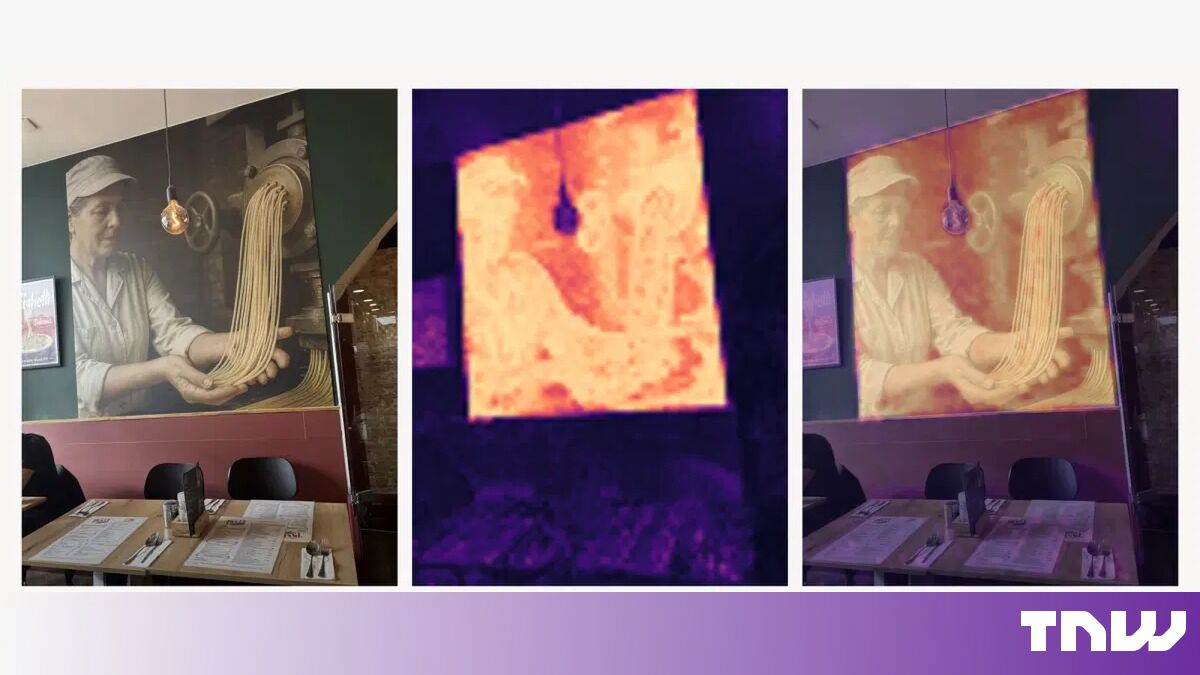
- The image tool generates heatmaps to highlight specific AI-generated regions within photos, and the video tool distinguishes between entirely and partially AI-generated clips.
- Performance drops below 512x512 pixel resolutions, triggering low-confidence warnings, as the models are optimized for higher-resolution content.
Expansion of Detection Capabilities
New York-based startup Pangram has officially expanded its artificial intelligence detection portfolio beyond text. The company announced the release of two new models designed to identify AI-generated visual content: Pangram Image 1.0 for still images and Pangram Image Flash 1.0 for video. This move marks a significant shift for the firm, which previously gained prominence for its ability to detect AI-written text. The new tools are now available through Pangram’s web application, application programming interface (API), and its existing Chrome extension, which automatically scans images as users browse the internet.
Performance on Benchmarks and Internal Tests
Pangram reports high accuracy rates for its new visual detection models, though the company acknowledges that its primary testing methods are internal. For still images, Pangram Image 1.0 claims a 99.2% detection rate with a false positive rate of just 0.27%. In a self-designed test, the model achieved 99.96% accuracy. This internal test involved creating AI copies of 100 real photographs using prompts that closely matched the originals, generated by 12 leading image generation platforms. The company notes that the model is optimized for images of at least 512x512 pixels. When processing smaller images, such as those at 256x256 pixels, the tool issues a low-confidence warning to users.
For video content, Pangram utilized the DF26 academic benchmark, a dataset comprising 2,691 clips of people speaking to a camera. Published in September, this benchmark is known for challenging detection tools, with previous studies showing that both human observers and leading detectors struggled to distinguish real from fake clips at rates better than chance. Pangram states that Image Flash 1.0 scored 98.7% on this benchmark, placing it 29 percentage points ahead of the next-best detector. The video model is designed to process content frame by frame and can distinguish between clips that are entirely AI-generated and those that are only partially altered.
Technical Features and User Interface
A key feature of Pangram’s new visual tools is the integration of visual heatmaps. When analyzing an image, the model can highlight specific regions where AI-generated content is detected. This allows users to see exactly where synthetic elements, such as a fake object added to a real photograph, have been inserted. The video tool similarly provides assessments that help users understand the extent of AI involvement in a clip. These features are intended to provide transparency in an era where synthetic media is becoming increasingly sophisticated and difficult to identify.
Market Context and Future Implications
The release of these tools comes at a time when the proliferation of AI-generated content has raised concerns about misinformation and the authenticity of digital media. While Pangram’s tools offer advanced detection capabilities, the company cautions that no detection tool is perfect. The reliance on internal testing for the image model and the specific conditions of the DF26 benchmark for video mean that real-world performance may vary. However, the integration of these tools into a widely used Chrome extension suggests that Pangram aims to make AI detection accessible to everyday internet users. As AI generation technology continues to evolve, the demand for robust detection mechanisms is likely to grow, positioning Pangram as a key player in the fight against digital synthetic media.
Sources
The WireByte editorial team synthesises technology news from multiple primary sources, verifies the facts, and links every source. Articles are produced with AI assistance and reviewed under our editorial policy.