OpenAI Proposes Rebranding Data Centers as 'AI Compute Campuses'
OpenAI is considering renaming its data centers to 'AI compute campuses' to improve public perception ahead of the U.S. midterm elections and the 2028 presidential race. The move aims to counter backlash over energy consumption and environmental impact. The company pledges to cover its own energy costs to avoid raising local electricity prices, seeking to position AI infrastructure as an economic benefit rather than a burden.
Key points
- OpenAI is reportedly planning a public relations campaign to rebrand its data centers as 'AI compute campuses' to improve public perception.
- The initiative is timed ahead of the November 3 U.S. midterm elections and anticipates heightened political debate on AI in the 2028 presidential race.
- Chris Lehane, OpenAI’s chief global affairs officer, stated that communities should hold companies accountable to ensure transformative benefits from these projects.
- OpenAI has committed to paying its own way on energy to prevent its operations from increasing local electricity prices for residents.
- The Stargate Project, a joint venture involving OpenAI, is currently halfway toward its goal of adding 10GW of capacity by 2029.
Strategic Rebranding Amid Political Uncertainty
OpenAI is reportedly preparing a significant public relations campaign designed to reshape how the American public views artificial intelligence infrastructure. Central to this strategy is a proposal to rename its massive data centers as "AI compute campuses." This linguistic shift aims to project an image of economic vitality and educational value, contrasting with the industrial and potentially negative connotations often associated with traditional data centers. The move is not merely cosmetic but is deeply intertwined with the company's political strategy as it navigates an increasingly complex regulatory landscape in the United States.
The timing of this potential rebranding effort is critical. Reports indicate that the changes could be announced as soon as this week, immediately following the U.S. midterm elections on November 3, 2026. OpenAI is anticipating a shift in the political climate, particularly the possibility that the Democratic Party may regain control of the House of Representatives. Such a shift would likely result in a more challenging regulatory environment for tech giants. By proactively shaping the narrative around AI infrastructure, OpenAI seeks to mitigate potential political headwinds and secure a more favorable position for future expansions.
The Stargate Project and Energy Concerns
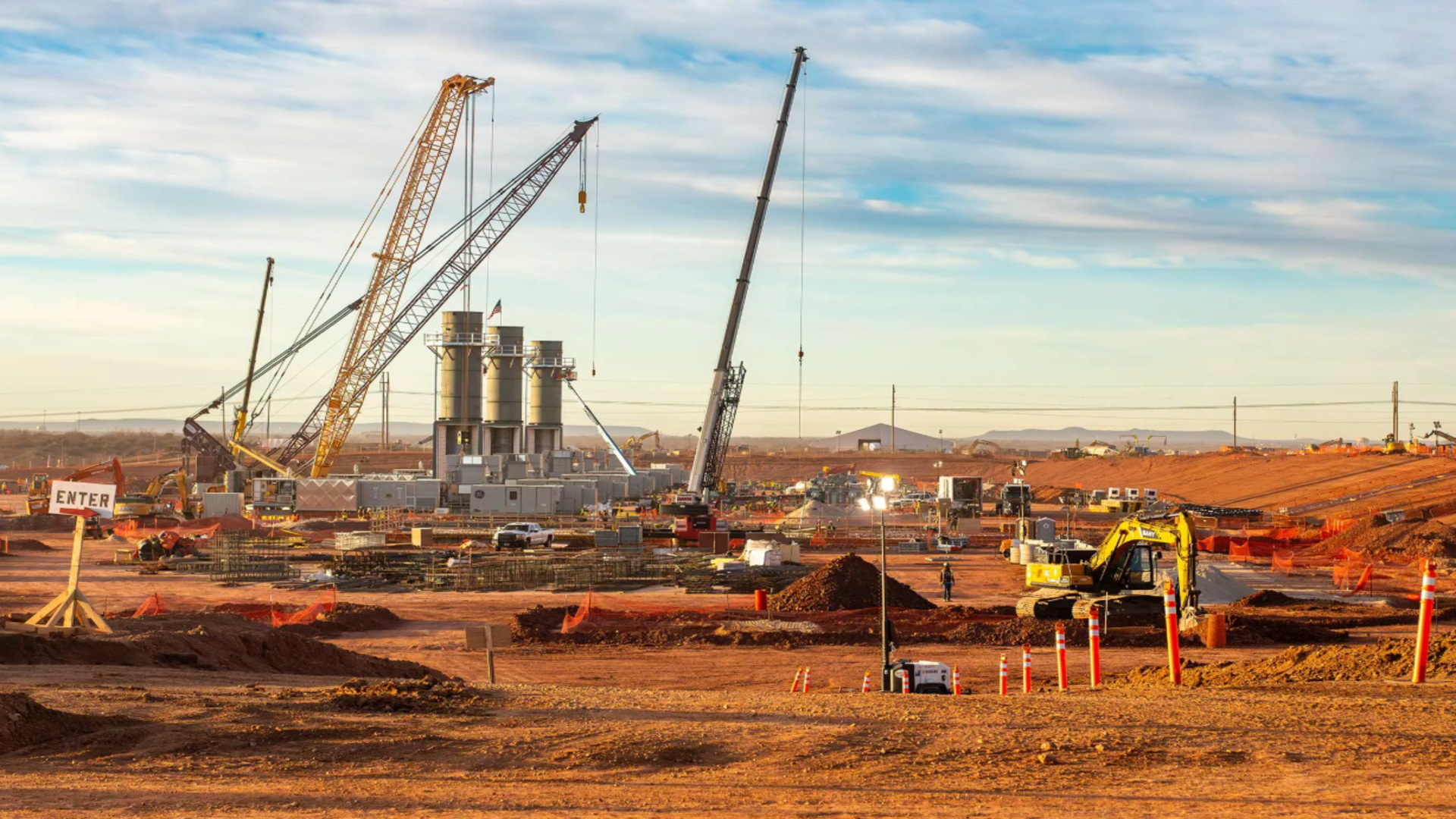
The rebranding effort is closely linked to the Stargate Project, a massive infrastructure initiative involving OpenAI. This project is currently halfway toward its goal of adding 10GW of capacity by 2029. As energy prices rise across the United States, public scrutiny of AI data centers' energy consumption has intensified. Critics argue that the power demands of training and running large language models strain local grids and contribute to environmental concerns. In response to these growing anxieties, OpenAI has emphasized its commitment to economic and environmental responsibility.
Chris Lehane, OpenAI’s chief global affairs officer, has been vocal about the need for accountability. He told Axios that communities should hold companies responsible to ensure they receive transformative benefits from these projects. "Communities should hold companies accountable so they really and truly get a transformative benefit from these projects," Lehane stated. This sentiment underscores OpenAI's strategy to frame its operations not as parasitic consumers of resources, but as partners in local development. The company has already begun making efforts to win over local communities by promising to partner with them to understand and address local needs.
Economic Promises and Future Outlook
A cornerstone of OpenAI's public relations strategy is its financial commitment to energy costs. The company has pledged to pay its own way on energy, ensuring that its operations do not increase electricity prices for local residents. This promise is designed to alleviate one of the primary concerns of communities hosting data centers: the fear of higher utility bills. By absorbing these costs, OpenAI aims to remove a significant barrier to public acceptance and local opposition.
Lehane also noted that the upcoming midterm elections would serve as "a bit of a movie trailer for what you’re going to see in 2028." He expects AI to be a major issue for presidential candidates, given the technology's profound impact on jobs, the economy, and the environment. As the 2028 presidential race approaches, the debate over AI regulation, safety, and infrastructure is likely to intensify. OpenAI's current efforts to rebrand and reassure the public are preparatory steps for this larger political battle.
Global Implications of AI Infrastructure
The debate over AI infrastructure is not confined to the United States. As tech giants expand globally, the tension between technological advancement and environmental sustainability is becoming a universal issue. The way OpenAI handles this narrative in the U.S. could set a precedent for how AI companies operate worldwide. If the "compute campus" model proves successful in winning over public opinion, other companies may adopt similar strategies. Conversely, if the rebranding fails to address underlying concerns about energy use and environmental impact, it could lead to stricter regulations and public resistance globally.
The success of OpenAI's strategy will depend on its ability to deliver on its promises. While rebranding can change perceptions, tangible benefits for communities and verifiable reductions in environmental impact will be crucial for long-term acceptance. As the Stargate Project progresses, the world will be watching to see if OpenAI can balance its ambitious growth with responsible stewardship of resources and public trust.
Key takeaways
- OpenAI is considering renaming data centers to "AI compute campuses" to improve public perception.
- The rebranding is timed ahead of the November 3, 2026, U.S. midterm elections and the 2028 presidential race.
- Chris Lehane emphasizes the need for companies to provide transformative benefits to local communities.
- OpenAI has committed to covering its own energy costs to prevent increases in local electricity prices.
- The Stargate Project is halfway to adding 10GW of capacity by 2029, raising energy consumption concerns.
Sources
The WireByte editorial team synthesises technology news from multiple primary sources, verifies the facts, and links every source. Articles are produced with AI assistance and reviewed under our editorial policy.