European Supermarket Cooling Systems Targeted in Second Wave of Cyberattacks
Supermarket chains in Belgium, Sweden, Luxembourg, and Estonia report suspected cyberattacks causing refrigeration systems to overheat. Retailers including Coop, ICA, and Ahold Delhaize confirmed unauthorized access to cooling controls, raising temperatures significantly. The incident mirrors a previous attack in France that caused millions in food losses, prompting urgent technical interventions across the affected nations.
Key points
- Supermarket chains in Belgium, Sweden, Luxembourg, and Estonia report suspected cyberattacks targeting their refrigeration systems.
- Retailers Coop, ICA, and Ahold Delhaize confirmed unauthorized access to cooling controls, with some temperatures rising to 50 degrees Celsius.
- The incident mirrors a previous attack in France that caused millions in food losses, prompting urgent technical interventions across the affected nations.
- Authorities and technicians are working to disconnect affected systems and investigate the scope of the breach.
- The full scale of the incident remains under investigation as retailers assess potential food spoilage and operational impacts.
Coordinated Attacks Disrupt European Grocery Chains
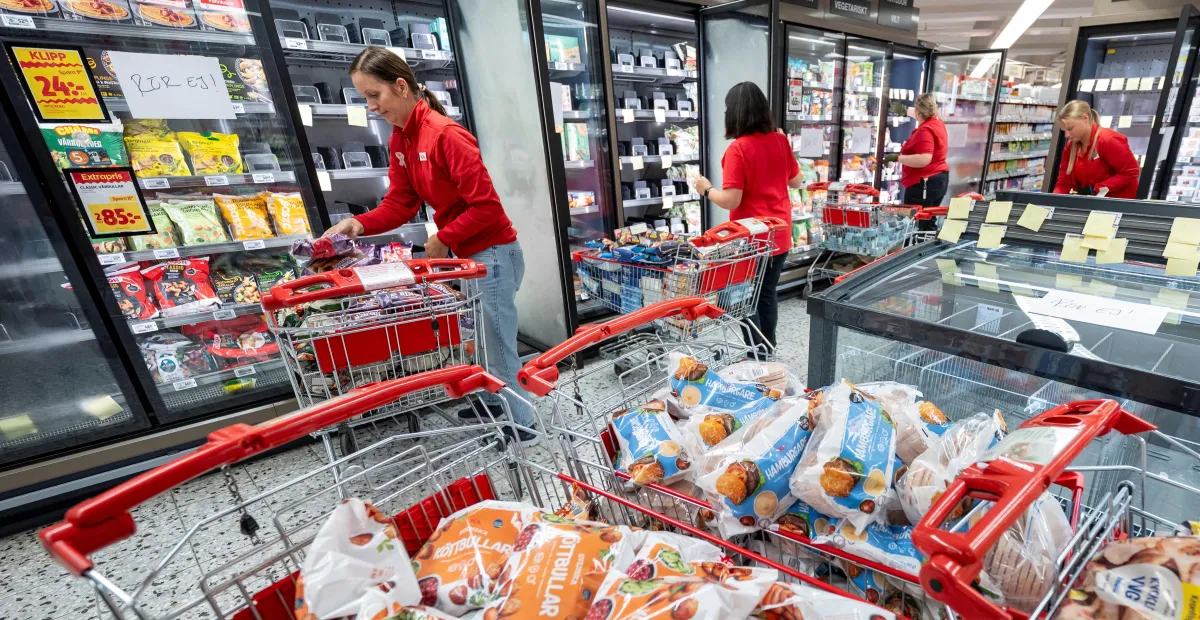
Supermarket chains across multiple European nations are grappling with a coordinated wave of suspected cyberattacks targeting their refrigeration infrastructure. Reports confirm that stores in Belgium, Sweden, Luxembourg, and Estonia have experienced sudden, unauthorized changes to their cooling systems. The incidents have resulted in significant temperature spikes, raising concerns about widespread food spoilage and operational disruptions similar to those seen in previous attacks across the continent.
In Sweden, the Coop supermarket chain confirmed to the daily newspaper Aftonbladet that six of its stores were affected. A spokesperson stated that "unauthorized actors were able to access and tamper with the cooling systems at a small fraction of our stores." Meanwhile, ICA, another major Swedish retailer, acknowledged the incident in a statement, noting it was "aware that a limited number of stores were affected by an incident overnight which impacted their refrigeration and freezer systems." One specific Ica Kvantum store reported on its Facebook page that its freezers were hacked overnight, with temperatures remotely raised to 50 degrees Celsius (122 Fahrenheit).
Dutch Retailer Confirms IT Incident in Benelux
The Dutch retail giant Ahold Delhaize, which operates under various banners in the region, also confirmed an "IT incident" responsible for adjusting the temperature of refrigeration units in dozens of its supermarkets in Belgium and Luxembourg. This follows a separate cybersecurity incident reported by the company to police in the Netherlands last month. Sarah De Meester, a spokesperson for Ahold Delhaize, stated that the company had established that temperatures in the cooling systems had increased and that the incident is currently under investigation.
Local media in Belgium have provided further details on the extent of the disruption. The newspaper Le Soir reported that dozens of stores were affected, including five Spar outlets, multiple Shop & Go convenience stores attached to Q8 service stations, and several Proxy Delhaize minimarkets. The rapid response required by these incidents highlights the critical nature of connected refrigeration systems in modern grocery logistics.
Technical Response and Historical Context
The speed of the technical response has been crucial in mitigating potential losses. Stephan Moelans, chief executive of Sabcobel, a company specializing in refrigeration system installations, told Le Soir that his team began mobilizing technicians at 1:00 AM. "We spent all night and morning disconnecting the affected installations from the grid," Moelans said, emphasizing the urgent need to physically isolate the compromised systems from the power supply to prevent further damage.
These events are not isolated. French police investigated a similar cyberattack in October, where hackers seized control of supermarket freezers, causing millions of euros in food losses. That incident served as a warning to the industry about the vulnerabilities of internet-connected cooling systems, which are increasingly used for remote maintenance and monitoring. The recurrence of such attacks in multiple countries suggests a broader, possibly coordinated campaign against the European grocery sector's digital infrastructure.
Ongoing Investigation and Industry Impact
The full scale of the current incident has yet to be confirmed. Retailers are currently assessing the extent of food spoilage and the financial impact of the disruptions. The reliance on internet-connected systems for critical infrastructure like refrigeration has come under scrutiny, with experts warning that such systems are attractive targets for cybercriminals seeking to cause maximum economic damage with minimal effort.
As investigations continue, retailers are likely to review their cybersecurity protocols and consider additional safeguards for their critical infrastructure. The incidents underscore the growing risks associated with the digitization of traditional retail operations and the need for robust, resilient systems to protect against evolving cyber threats.
Key takeaways
- Supermarket chains in Belgium, Sweden, Luxembourg, and Estonia report suspected cyberattacks targeting refrigeration systems.
- Retailers Coop, ICA, and Ahold Delhaize confirmed unauthorized access to cooling controls, with some temperatures rising to 50 degrees Celsius.
- The incident mirrors a previous attack in France that caused millions in food losses, prompting urgent technical interventions across the affected nations.
- Authorities and technicians are working to disconnect affected systems and investigate the scope of the breach.
- The full scale of the incident remains under investigation as retailers assess potential food spoilage and operational impacts.
Sources
The WireByte editorial team synthesises technology news from multiple primary sources, verifies the facts, and links every source. Articles are produced with AI assistance and reviewed under our editorial policy.