Meta Launches Real-Time Voice and Avatar Chat for Muse AI in US
Meta has enabled real-time voice conversations and animated avatars for its Muse AI agent in the United States. The update, powered by Muse Realtime Avatar and Voice models, allows users to interact via live calls with expressive digital characters. This rollout marks a significant step in anthropomorphizing AI assistants, though availability remains restricted to the US market for now.
Key points
- Meta has released real-time voice chat and animated avatar features for its Muse AI agent to users in the United States.
- The functionality is powered by Muse Realtime Avatar and Muse Realtime Voice models developed by Meta Superintelligence Labs.
- Users can customize avatars with hundreds of voices, adjust expressions, and interrupt the AI during live conversations.
- The feature was first demonstrated at the Connect conference in September and is now available on iOS, web, and Mac.
- Meta aims to deepen user connection through anthropomorphism, though some testers note the visuals can appear uncanny.
- Availability is currently limited to the US, with no immediate timeline provided for international expansion.
Meta Expands Muse AI with Voice and Visual Interaction
Meta has officially rolled out real-time voice chat capabilities and animated avatars for its Muse AI agent, marking a significant evolution in how users interact with the company's consumer artificial intelligence. The new feature, known as Muse Voice, is now available to all users in the United States across the iOS app, web platform, and Mac. This update transforms Muse from a text-based assistant into a conversational partner capable of live audio and visual engagement.
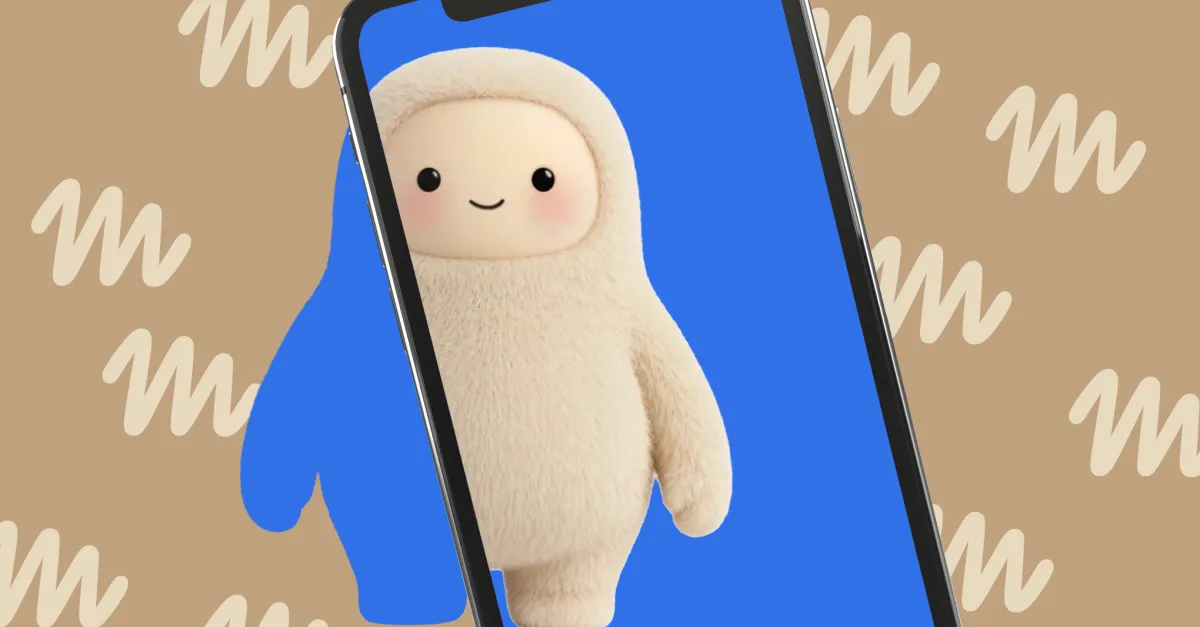
The technology behind this enhancement relies on two specific models developed by Meta Superintelligence Labs: Muse Realtime Avatar and Muse Realtime Voice. These models work in tandem to generate a digital character that reacts dynamically to the user's speech. As the AI speaks, the avatar displays subtle facial expressions and gestures that align with the tone of the conversation. It is important to note that while the avatar reacts to the user's voice, it does not visually see the user; the interaction is audio-driven.
Users can initiate a call by tapping a phone icon located in the top-right corner of the Muse interface. The system is designed to handle interruptions seamlessly, allowing users to speak over the AI, which responds immediately. Additionally, Muse can continue processing background tasks, such as searching for information or managing schedules, while the voice conversation is ongoing. This multitasking capability is intended to make the AI feel more like a proactive assistant rather than a passive query tool.
A key component of this update is the customization of the avatar's appearance and voice. Meta offers hundreds of voice options with distinct personalities, which users can switch between at any time. The avatars themselves can be tailored to look like people, animals, or other characters. During the rollout announcement, Meta’s chief AI officer, Alexandr Wang, shared a demo on X where he interacted with his own Muse avatar, joking about his social media habits. The company suggests that anthropomorphizing the agent helps build a stronger emotional connection with users.
Despite the polished presentation, early user experiences have been mixed regarding the visual fidelity. Some testers have described the animated faces as uncanny, particularly when the avatar is set to resemble specific individuals. For instance, one reporter noted that seeing a digital facsimile of CEO Mark Zuckerberg talk back was unsettling. However, the voice response times have been reported as quick, with occasional pauses only occurring when the AI is retrieving external information.
The feature was first unveiled at Meta’s Connect developer conference in September. At that time, the company highlighted the potential for users to shape their AI's voice by describing desired attributes, such as accent or speed. The current rollout brings these theoretical capabilities to a live production environment, albeit with geographic restrictions.
Strategic Implications and Future Outlook
This launch places Meta in direct competition with other tech giants that are also integrating voice and visual elements into their AI assistants. By emphasizing expressive avatars, Meta is attempting to differentiate Muse in a crowded market. The move reflects a broader industry trend toward making AI interactions feel more natural and human-like, potentially increasing user engagement and retention.
However, the restriction of this feature to the US market suggests that Meta is conducting a controlled rollout. This approach allows the company to monitor performance, gather feedback, and address any technical or ethical concerns before expanding globally. There is currently no official timeline for when Muse Voice will become available outside the United States.
As AI agents become more integrated into daily life, the ability to have fluid, multi-modal conversations is becoming a standard expectation. Meta’s introduction of real-time voice and avatar chat for Muse is a significant step in this direction. The company’s focus on customization and background task management indicates a strategy to make Muse a central hub for personal assistance, rather than just a search tool.
Key takeaways
- Meta has enabled real-time voice and avatar chat for Muse AI in the US on iOS, web, and Mac.
- The feature uses Muse Realtime Avatar and Voice models to create expressive, animated digital characters.
- Users can customize voices and avatars, interrupt the AI, and multitask during conversations.
- The rollout follows a September demonstration at the Connect conference and is currently US-only.
- Early feedback highlights quick voice responses but notes some visual uncanniness in the avatars.
- Meta aims to deepen user connection through anthropomorphism as AI assistants become more conversational.
Sources
The WireByte editorial team synthesises technology news from multiple primary sources, verifies the facts, and links every source. Articles are produced with AI assistance and reviewed under our editorial policy.