Google Confirms Wear OS 8 Will Include System Status Bar
Google has confirmed that a system status bar will launch with Wear OS 8, bringing standardized time and system icons to smartwatches. The feature, previously tested in Wear OS 7.1 emulators, will display the time at the 12 o’clock position alongside indicators like airplane mode. This update aims to improve user experience by providing consistent system information across watch apps.
Key points
- Google confirmed that a system status bar is scheduled to launch with the upcoming Wear OS 8 update.
- The status bar will display the time at the 12 o’clock position along with system icons such as airplane mode and Do-Not-Disturb.
- Developers were previously able to test the feature in a Wear OS 7.1 emulator, though it was not included in that release.
- The update addresses previous developer needs to create custom clocks by providing a standardized system interface.
- Google shared visual examples of the status bar to illustrate how the time and icons will appear in watch applications.
Standardization of Wear OS Interface
Google has officially confirmed that a system status bar is coming to a future version of its wearable operating system, specifically identifying Wear OS 8 as the release vehicle. This development marks a significant shift in how smartwatch interfaces will handle system information, moving away from app-specific designs toward a more unified experience. The announcement follows earlier hints from the company, which had previously allowed developers to test the feature within a Wear OS 7.1 emulator. At that time, Google clarified that while the functionality was available for testing, it would not be included in the Wear OS 7.1 update itself, reserving it for a later release.
Visual Preview and Functionality
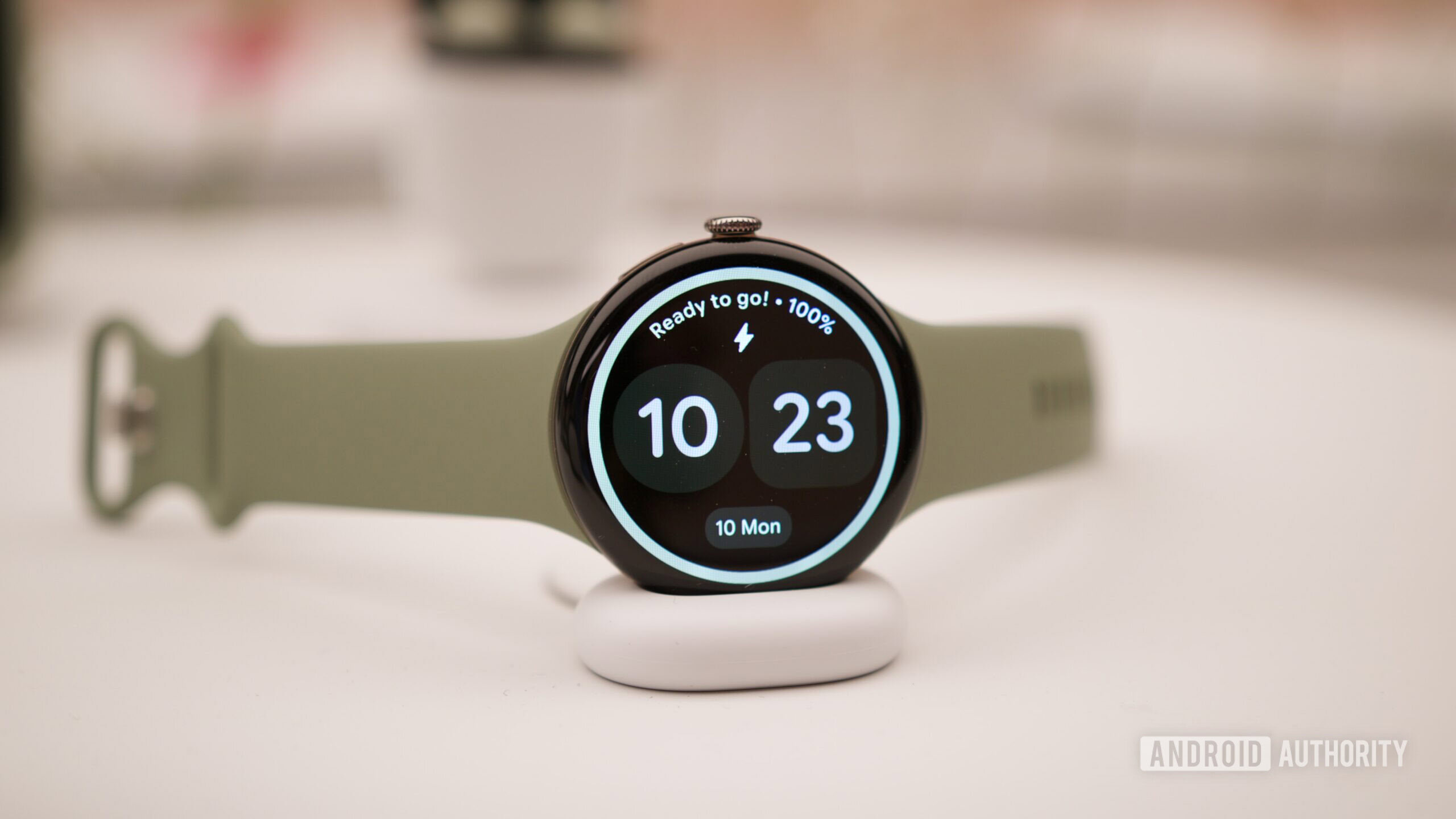
To provide clarity on what users and developers can expect, Google has shared visual examples of the new status bar. The design places the time prominently at the 12 o’clock position, a standard location for readability on small screens. Alongside the time, the status bar will display essential system icons. Initial images show an airplane mode indicator and what appears to be a Do-Not-Disturb symbol. This layout ensures that critical connectivity and notification settings are immediately visible without requiring users to navigate through menus or rely on individual app implementations.
Impact on Developers and Users
The introduction of a system status bar addresses a longstanding requirement from developers who previously had to create their own clock and status indicators for their applications. By providing a standardized system interface, Google reduces the development burden and ensures consistency across different watch apps. For users, this means a more predictable interface where system information is always available in the same location, regardless of the application being used. The feature is described as a useful addition for both groups, streamlining the interaction between the operating system and third-party software.
Timeline and Availability
While the feature was accessible to developers through the Wear OS 7.1 emulator, its official launch is tied to Wear OS 8. This distinction highlights Google’s approach to rolling out significant UI changes, allowing for thorough testing and refinement before general availability. The confirmation from Google’s Android Developers blog, highlighted by industry observers such as Mishaal Rahman, solidifies the timeline for the feature. Users can expect to see this change implemented when Wear OS 8 becomes available on supported devices, marking a step forward in the evolution of the platform’s user interface.
Key takeaways
- Google confirmed the system status bar will launch with Wear OS 8.
- The status bar displays time at 12 o’clock and system icons like airplane mode.
- Developers tested the feature in Wear OS 7.1 emulators before its official release.
- The update standardizes system information across all watch applications.
- Google shared visual examples to illustrate the new interface design.
Sources
The WireByte editorial team synthesises technology news from multiple primary sources, verifies the facts, and links every source. Articles are produced with AI assistance and reviewed under our editorial policy.