Nintendo Vows No Further Switch 2 Price Hikes Amid RAM Shortages
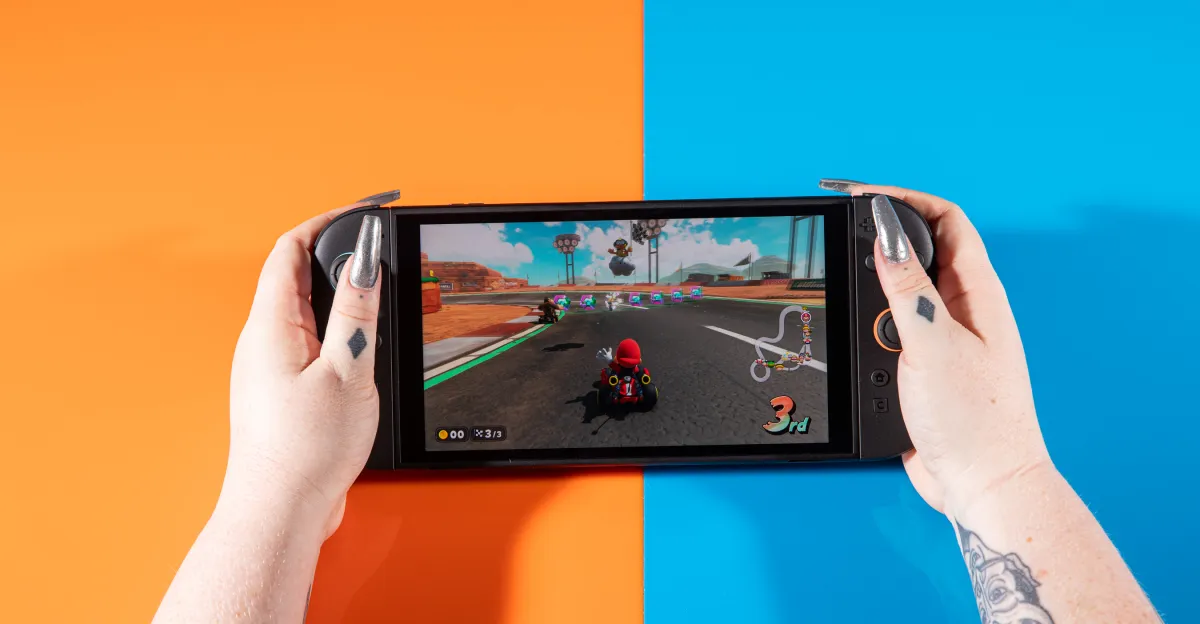
Nintendo President Shuntaro Furukawa confirmed the company will not raise the Switch 2 price further, citing sufficient RAM supply. This follows a $50 hike to $499 and a 37.4% sales drop. While competitors like Sony and Microsoft have significantly increased prices due to global memory shortages, Nintendo aims to maintain current pricing despite declining operating profits.
Key points
- Nintendo President Shuntaro Furukawa stated the company is not considering additional price changes for the Switch 2 console.
- The Switch 2, currently priced at $499, experienced a 37.4% year-over-year sales decline in the latest financial quarter.
- Nintendo reported a 16% drop in operating profit to 73.9 billion yen, falling below analyst estimates.
- Furukawa confirmed Nintendo can secure sufficient RAM, avoiding the supply constraints driving up costs for rivals.
- Competitors Microsoft and Sony have raised console prices significantly, with the Xbox Series S reaching $499 and the PS5 at $649.
- A key supplier recently announced plans to stop making ROM memory for games to focus on data center memory demand.
Nintendo Stabilizes Switch 2 Pricing Strategy
Nintendo has officially ruled out further price increases for its Switch 2 console, addressing growing concerns within the gaming community and financial markets. During a recent earnings call, Nintendo President Shuntaro Furukawa stated that the company is "not considering additional changes" to the hardware's cost. This declaration comes after the Switch 2 received a $50 price hike earlier in 2026, raising its starting price to $499. The move stands in contrast to the broader industry trend, where major competitors have implemented significant price adjustments due to global supply chain pressures.
Financial Performance and Sales Decline
Despite the commitment to stable pricing, Nintendo’s financial results for the latest quarter indicate challenging market conditions. The company reported that Switch 2 sales have dropped by 37.4 percent year-over-year. Operating profit declined by 16 percent to 73.9 billion yen, approximately $468 million, a figure that fell below analyst expectations. These metrics suggest that while Nintendo is protecting consumer pricing, it is facing headwinds in volume and profitability that may require strategic adjustments in the future.
RAM Supply and Industry-Wide Shortages
A primary driver of hardware inflation across the tech sector is a severe shortage of random-access memory (RAM), exacerbated by surging demand from artificial intelligence data centers. In a statement to Reuters, Furukawa clarified that "there has been no major change to the memory situation" and that Nintendo is positioned to secure sufficient quantities of memory for its consoles. This assurance distinguishes Nintendo from other manufacturers who have been forced to pass on component costs to consumers.
The supply constraints are so acute that one of Nintendo’s Switch 2 cartridge suppliers recently announced plans to cease production of ROM memory for gaming cartridges. Instead, the supplier intends to pivot its manufacturing focus toward memory required for data centers. This shift highlights the intense competition for semiconductor resources between the gaming industry and the rapidly expanding AI infrastructure sector.
Competitor Price Hikes and Market Context
Nintendo’s decision to hold the line on prices contrasts sharply with the strategies of its primary rivals, Sony and Microsoft. Both companies have implemented multiple price increases for their current-generation consoles. Microsoft has raised the price of the Xbox Series S from its original $299 to $499, while the Xbox Series X now carries an official price tag of $799.99. Similarly, Sony has increased the starting price of the PlayStation 5 by $150 since its 2020 launch, bringing the current cost to $649.
These adjustments reflect the broader economic reality of the hardware market, where component scarcity has made it difficult for manufacturers to maintain legacy price points. Nintendo’s ability to avoid further hikes suggests either stronger supply chain negotiations or a different cost structure, although the recent drop in sales volume indicates that the $499 price point may be impacting consumer demand.
Strategic Implications for the Gaming Market
The divergence in pricing strategies between Nintendo and its competitors could have lasting implications for market share. By maintaining the $499 price point, Nintendo may attempt to preserve accessibility for its user base, potentially leveraging its strong first-party software library to drive hardware adoption despite the higher cost relative to previous generations. However, the 37.4% sales decline suggests that the market is sensitive to price increases, even for a brand with Nintendo’s historical loyalty.
Analysts note that the ongoing RAM shortage is likely to persist as AI data center demand continues to grow. If Nintendo’s supply advantages are temporary, the company may face pressure to adjust pricing in future quarters. For now, however, the company’s stance is clear: it will absorb supply chain fluctuations rather than burden consumers with additional costs, aiming to stabilize its position in a volatile hardware market.
Key takeaways
- Nintendo President Shuntaro Furukawa confirmed no further price hikes for the Switch 2, which is currently priced at $499.
- The company reported a 37.4% year-over-year drop in Switch 2 sales and a 16% decline in operating profit to 73.9 billion yen.
- Nintendo claims it can secure sufficient RAM, avoiding the supply constraints affecting competitors like Microsoft and Sony.
- Rivals have significantly increased prices, with the Xbox Series S at $499 and the PS5 at $649 due to global memory shortages.
- A key cartridge supplier is shifting production from gaming ROM to data center memory, highlighting intense semiconductor competition.
Sources
The WireByte editorial team synthesises technology news from multiple primary sources, verifies the facts, and links every source. Articles are produced with AI assistance and reviewed under our editorial policy.