iPhone 18 Pro Launches with Pro Camera Controls and Variable Aperture
Apple released the iPhone 18 Pro, featuring a variable aperture main camera and manual controls. The device aims to offer greater photographic flexibility, though critics note existing alternatives remain more capable. Independent app Chromagraph Camera also emerged, offering a less processed aesthetic for iPhone photography.
Key points
- Apple released the iPhone 18 Pro, a device with a design and spec sheet nearly identical to the iPhone 17 Pro.
- The phone introduces a variable aperture main camera to improve low-light performance and depth of field control.
- New software features include pro manual controls and customizable film grain effects within the camera app.
- Reviewers tested the device in New Zealand, capturing over 750 images to evaluate the photographic upgrades.
- Critics argue that while the hardware is versatile, more capable camera alternatives exist in the market.
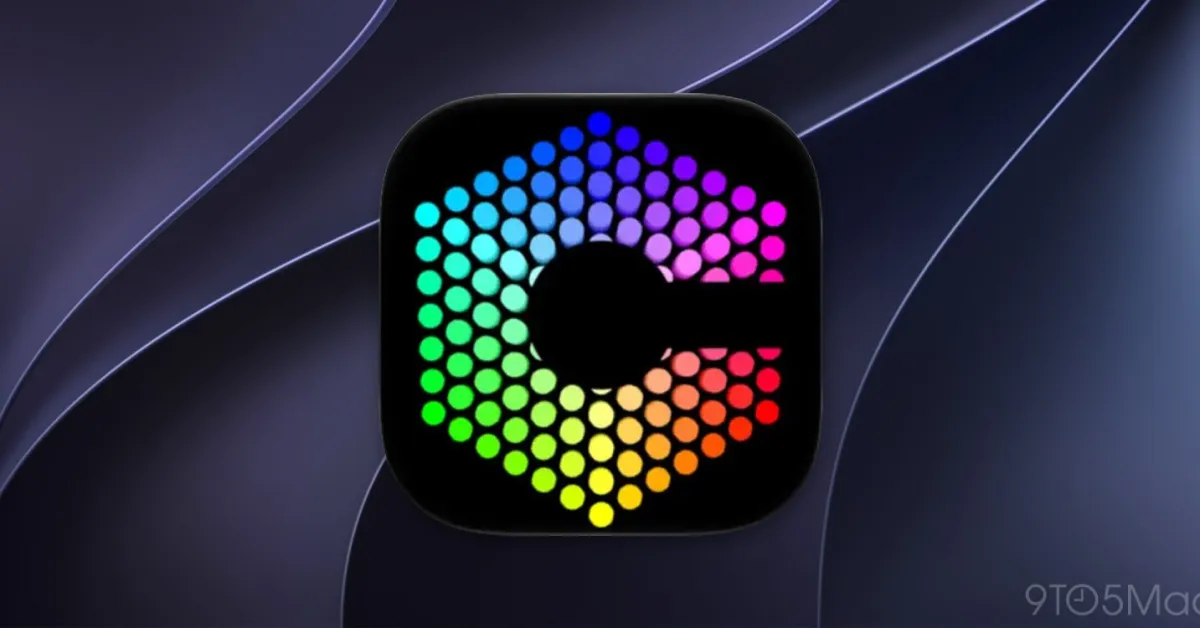
- Director Rian Johnson promoted Chromagraph Camera, an app designed to reduce Apple's heavy post-processing defaults.
New Hardware Features for Photographers
Apple has officially released the iPhone 18 Pro, a smartphone that continues the company's tradition of iterative hardware updates while introducing significant software and optical changes. The device features a variable aperture main camera, a specification Apple claims provides tangible improvements in low-light photography and video recording. This hardware addition allows users to manipulate the depth of field more precisely when composing shots, a feature previously reserved for higher-end dedicated cameras. The announcement positions the iPhone 18 Pro as having the most versatile camera setup in the company's history, aiming to bridge the gap between smartphone convenience and professional photographic control.
Software and User Experience
Alongside the hardware changes, Apple has integrated pro manual controls directly into the iPhone 18 Pro's camera application. This marks the first time such granular control options have been available natively on the device. The update also expands customization options for Photographic Styles, adding specific film effects and film grain adjustments. These additions represent a shift away from the traditional Apple approach of simplified, point-and-shoot photography. By providing users with more technical leverage, Apple is effectively asking its customer base to engage with the device at a higher level of photographic complexity. This move is designed to appeal to enthusiasts who previously found the iPhone's automated processing too restrictive or artificial.
Real-World Testing and Criticism
Early reviews suggest that while the iPhone 18 Pro offers powerful tools, the execution may not fully satisfy all users. One reviewer tested the device during a month-long trip to New Zealand, capturing more than 750 still images to evaluate the camera's performance against the country's dramatic scenery. The conclusion drawn from this extensive testing was that the iPhone 18 Pro possesses the best camera setup Apple has ever produced. However, the reviewer also noted that more capable alternatives are available in the market. The consensus indicates that while the variable aperture and manual controls are welcome additions, the overall photographic experience remains incremental compared to previous generations, particularly when weighed against the price of the upgrade.
The Aesthetic Debate
The release of the iPhone 18 Pro has intensified the debate regarding smartphone image processing. Many users and critics argue that Apple's default processing is overly aggressive, leading to images that feel artificial or heavily manipulated. In response to this sentiment, independent developers are creating apps that offer a different aesthetic. Director Rian Johnson recently announced Chromagraph Camera, an application designed to reimagine smartphone photography by reducing the heavy post-processing typical of iPhone photos. This app appeals to users who prefer a more natural look and are willing to use third-party tools to achieve it, highlighting a growing dissatisfaction with Apple's default image rendering.
Market Context and Future Implications
The iPhone 18 Pro enters a market where hardware specifications have plateaued, making software and camera features the primary differentiators. The device's design and spec sheet are nearly identical to the iPhone 17 Pro, suggesting that the value proposition relies heavily on the new camera capabilities. Analysts and reviewers are closely watching whether the variable aperture and manual controls will drive significant upgrade cycles among existing iPhone users. The introduction of these features signals Apple's intent to compete more directly with professional photography enthusiasts, a demographic that has historically been served by dedicated camera brands. The success of this strategy will depend on whether the added complexity of manual controls appeals to the average consumer or remains a niche feature.
Key takeaways
- Apple released the iPhone 18 Pro with a variable aperture main camera and pro manual controls.
- The device's design and specifications are nearly identical to the iPhone 17 Pro.
- Reviewers tested the camera extensively in New Zealand, concluding it is Apple's most versatile setup.
- Critics note that more capable camera alternatives exist outside the Apple ecosystem.
- Independent apps like Chromagraph Camera are gaining traction among users seeking less processed images.
- The update reflects Apple's strategy to offer greater photographic control to professional users.
Sources
The WireByte editorial team synthesises technology news from multiple primary sources, verifies the facts, and links every source. Articles are produced with AI assistance and reviewed under our editorial policy.