Airbnb to Launch AI Travel Agent in First Half of 2027
Airbnb announced plans to launch an AI-native travel agent in the first half of 2027, as detailed in its Q3 shareholder letter. CEO Brian Chesky stated the tool will feature a custom interface with maps and photos rather than a chatbot, aiming to enhance the aspirational planning experience that 80% of travelers enjoy. The move positions Airbnb to compete in the evolving travel technology sector.
Key points
- Airbnb announced it will launch an AI-native travel agent in the first half of 2027, as detailed in its Q3 2026 shareholder letter.
- CEO Brian Chesky stated the agent will use a custom interface with maps and photos rather than a traditional chatbot to preserve the aspirational nature of travel planning.
- The company noted that 80% of travelers enjoy researching trips, arguing that current AI agents are better suited for simple routine tasks.
- Airbnb claims its existing host-guest matching experience and reservation data provide an edge in building a travel-specific AI tool.
- The new agent will allow users to explore options and make decisions with travel companions through real-time composition of interface elements.
Airbnb’s Strategic AI Pivot
Airbnb has officially announced its intention to launch an AI-native travel agent, targeting a rollout in the first half of 2027. The announcement was made in the company’s Q3 2026 shareholder letter, released on Thursday. This move marks a significant step in the company’s broader strategy to integrate artificial intelligence into its core platform, moving beyond simple search functions to active trip planning.
CEO Brian Chesky has previously outlined the company’s vision for this technology, emphasizing that travel is fundamentally different from other consumer interactions. In a recent interview with TechCrunch, Chesky argued that chatbots are not the ideal interface for travel. He stated that people derive pleasure from the planning process and the anticipation of a trip. Consequently, any AI tool built by Airbnb must not detract from the inspiration and browsing that are central to the travel experience.
During the company’s earnings call with analysts, Chesky reiterated this philosophy. He observed that while current AI agents like Muse and Instinct are effective for simple routine tasks such as making restaurant reservations or scheduling appointments, they fall short for complex travel planning. He noted that travel is aspirational, involving discovery and comparison, which requires a more nuanced user interface than a standard text-based chat window.
A Custom Interface for Travel
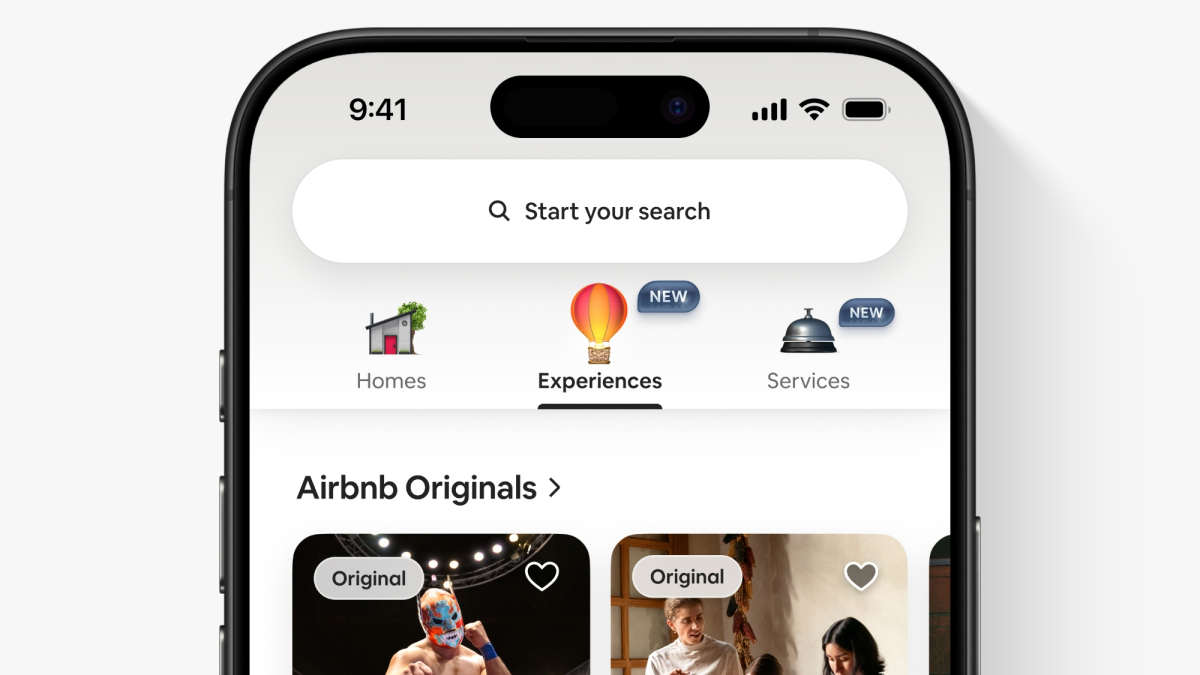
According to the shareholder letter, Airbnb is developing a custom-designed experience that builds its interface around the user’s specific questions. Rather than relying on a traditional chatbot, the new agent will draw on a library of hundreds of travel-specific interface elements. These include maps, photos, comparisons, calendars, and itineraries. The system will compose these elements in real time to match what the user is looking for.
The company argues that this approach allows the agent to help guests explore options and make decisions with people they are traveling with. This collaborative aspect is central to Airbnb’s value proposition, distinguishing it from generic travel search engines. By integrating these visual and interactive elements, Airbnb aims to create an experience that feels more like a travel companion than a transactional tool.
Leveraging Existing Data and Relationships
Airbnb believes its existing infrastructure gives it a competitive advantage in the AI travel space. The company highlighted its experience in matching hosts and guests, as well as its current role in processing reservations. These factors, combined with the new interface, are seen as key differentiators. The company suggests that its deep integration into the travel booking process allows it to build an agent that understands the nuances of travel planning better than general-purpose AI models.
The announcement comes at a time when the travel industry is increasingly looking to AI to streamline the booking process. However, Airbnb’s approach seems to prioritize the experiential aspect of travel over pure efficiency. By focusing on the planning phase, the company aims to keep users engaged with its platform for longer periods, potentially increasing the likelihood of bookings.
Market Implications and Future Outlook
The launch of the AI travel agent is expected to have significant implications for the travel technology sector. As major players like Airbnb integrate AI into their platforms, the competitive landscape for travel booking is likely to shift. Companies that can offer a seamless, personalized, and inspiring planning experience may gain a significant advantage.
Analysts are watching closely to see how Airbnb’s AI agent will perform in practice. The company’s emphasis on a visual, interactive interface suggests a departure from the text-heavy chatbots that have dominated the AI conversation in recent years. If successful, this approach could set a new standard for how travel planning is conducted online.
The rollout in the first half of 2027 provides Airbnb with ample time to refine its technology and gather user feedback. The company’s confidence in its ability to differentiate its AI agent from existing solutions suggests a strong belief in its strategic vision. As the launch date approaches, the travel industry will be keen to see how Airbnb’s AI agent reshapes the way people plan and book their trips.
Key takeaways
- Airbnb will launch an AI-native travel agent in the first half of 2027.
- The agent uses a custom interface with maps and photos, not a chatbot.
- CEO Brian Chesky argues travel is aspirational and requires a different approach.
- 80% of travelers enjoy researching trips, a factor Airbnb aims to enhance.
- The company leverages its host-guest matching experience for competitive advantage.
- The launch signals a shift in how major platforms approach travel planning.
Sources
The WireByte editorial team synthesises technology news from multiple primary sources, verifies the facts, and links every source. Articles are produced with AI assistance and reviewed under our editorial policy.